
5 September 2026 | The Mamak Corner
The long-awaited Johor Bahru–Singapore RTS Link is entering its final phase — and immigration will work very differently from today’s Causeway crossing.
The Johor Bahru–Singapore Rapid Transit System (RTS) Link is getting closer to becoming a reality, with the cross-border rail project targeted to begin passenger service by December 2026. The 4km link will connect Woodlands North in Singapore with Bukit Chagar in Johor Bahru, with a journey time of only about five minutes.
The biggest change: immigration only once
For many Singaporeans and Malaysians who regularly cross the Causeway, the most interesting part of the RTS Link may not actually be the train itself — it is the new immigration arrangement.
Passengers will clear both Singapore and Malaysia immigration before boarding the train.
For example, a passenger travelling from Singapore to Johor Bahru will enter the RTS Link station at Woodlands North, complete Singapore’s departure clearance and then complete Malaysia’s immigration clearance at the same station.
Once on the train, passengers can travel directly to Bukit Chagar without going through another immigration counter when they arrive in Johor Bahru.
The same arrangement will apply in the opposite direction.
This means the traditional experience of getting off a bus or car, joining another immigration queue and repeating the process could become much less of a headache for RTS passengers.
New immigration facilities at both stations
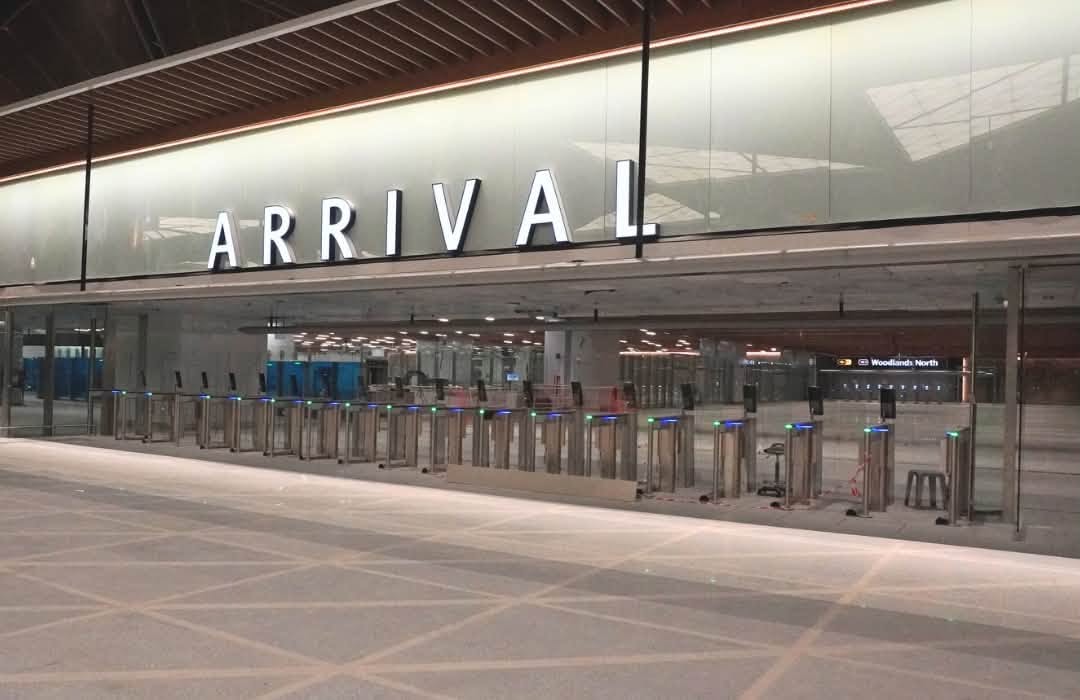
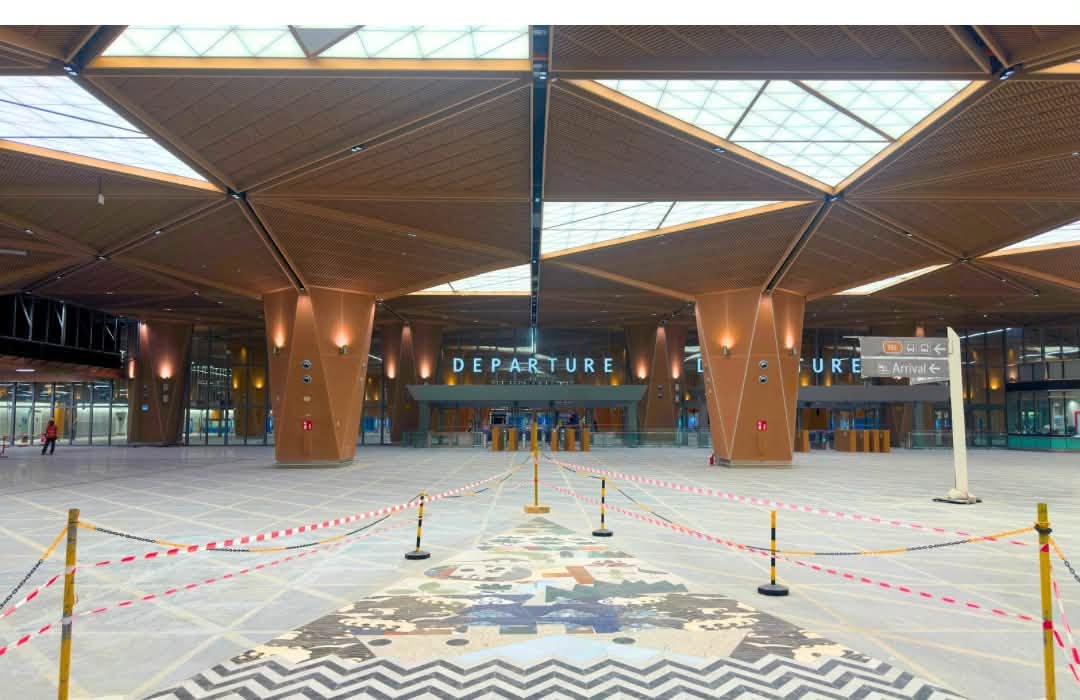
Both Woodlands North and Bukit Chagar will have co-located Customs, Immigration and Quarantine (CIQ) facilities for the two countries.
That means Singapore immigration officers will operate on the Malaysian side when required, while Malaysian officers will operate at the Singapore station as part of the joint border-clearance arrangement.
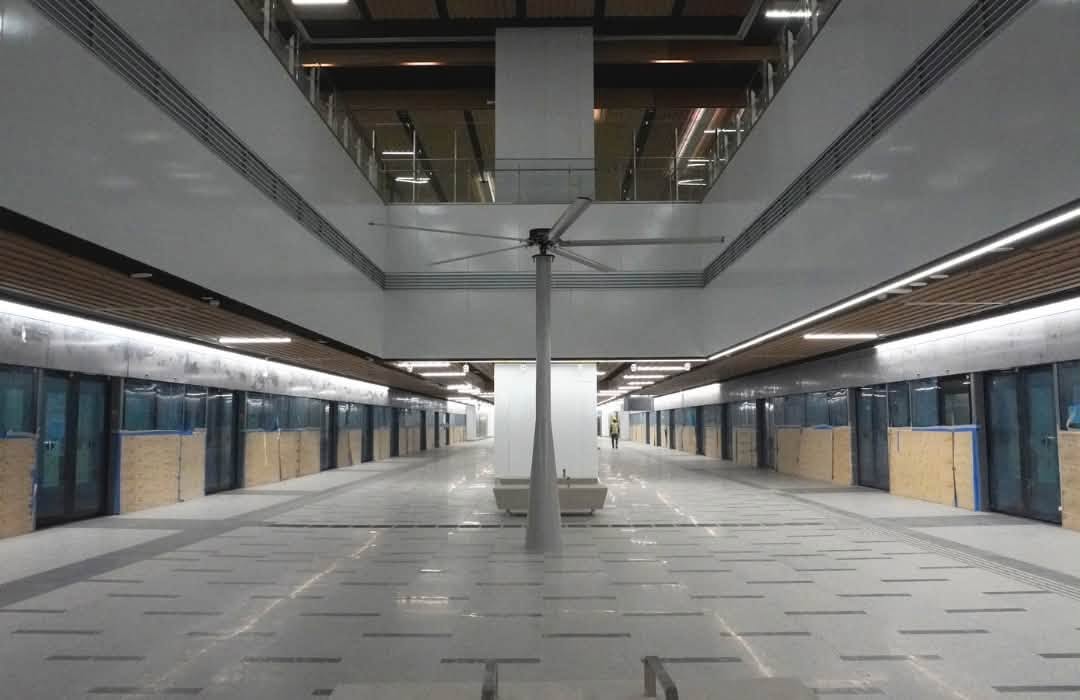
Malaysia is also preparing high-tech immigration facilities at Bukit Chagar, including automated clearance systems and security screening equipment. Recent reports from the station show the immigration and security facilities already taking shape ahead of the opening.
Five-minute journey between JB and Singapore
The RTS Link is only around 4km long, but it could make a major difference to cross-border travel.
The train is designed to travel between Woodlands North and Bukit Chagar in approximately five minutes, with a peak capacity of up to 10,000 passengers per hour in each direction.
The Woodlands North RTS station will also connect directly with Singapore’s Thomson-East Coast Line, allowing passengers to continue their journey into Singapore’s MRT network.
Could this finally ease the Causeway traffic?
That is one of the biggest questions.
The RTS Link is specifically intended to reduce pressure on the heavily congested Causeway by providing a high-capacity public-transport alternative.
However, authorities have cautioned that the RTS Link will not necessarily eliminate Causeway congestion completely, particularly because many commuters and workers will continue to prefer travelling by private vehicle.
Still, shifting a significant number of daily commuters from cars, motorcycles and buses to rail could make a noticeable difference.
More than just a train
The RTS Link is also closely connected to the growing economic relationship between Singapore and Johor.
With the Johor-Singapore Special Economic Zone (JS-SEZ) developing alongside the improved transport connection, easier cross-border movement could support businesses, workers, tourism and investment on both sides of the border.
For people who live in Johor and work in Singapore — or Singapore residents who regularly visit Johor Bahru — the RTS Link could eventually become one of the most important pieces of cross-border infrastructure between the two countries.
So, when can we ride it?
Singapore’s authorities have targeted December 2026 for passenger service, while recent Malaysian reporting has referred to an expected January 2027 launch. Final testing and preparations are still underway, so the actual passenger-service date remains something travellers will need to watch closely.
Either way, the countdown is getting close.
One thing is becoming clear: the next generation of Singapore–Johor travel may look very different from today’s Causeway experience.
 The Mamak Corner
Leave a comment